

Lymph node transfer, lymphaticovenous anastomosis, liposuction — which operation suits whom, what the results really are, and how to choose the right doctor
Introduction: Why is it hard to find clear information on this topic?
A woman whose arm has swollen after breast cancer treatment, searching online for “lymphedema surgery”, finds herself caught between two extremes. On one side are sources saying “there is no treatment for lymphedema, you will wear a compression sleeve for life”; on the other, promotional claims of “get rid of lymphedema with a single operation”.
Neither is true.
The truth is this: lymphedema surgery is a real field that works — it reduces arm and leg volume, markedly reduces recurrent infections, improves quality of life and, in some patients, eliminates the need for compression garments. At the same time, it is not a “cure”, it is not suitable for every patient, its results depend heavily on patient selection, and the level of scientific evidence is still maturing.
This guide tries to hold these two truths together. It covers why lymphedema develops, how staging determines the decision to operate, each of the main surgical methods, results in numbers, risks, the real postoperative process and the questions to ask when choosing a doctor who performs lymphedema surgery.
Important note: This content is for general information only and does not replace examination, diagnosis or treatment by a physician. Which method is right for you can only be determined by an experienced team in this field after examination, measurement and imaging.
1. What is lymphedema?
1.1. What does the lymphatic system do?
Your body has a second fluid system that works in parallel with the blood circulation: the lymphatic system.
Fluid constantly builds up in your tissues — protein-rich fluid that leaks out of the capillaries. This fluid has to be collected back. The structures that do this job are the lymphatic vessels: they collect fluid from the tissue, pass it through the lymph nodes (glands), filter it and finally empty it into the large veins.
The lymphatic system is also part of the immune system: lymph nodes trap germs and are stations where immune cells gather.
Lymphedema is when the capacity of this drainage system cannot keep up with the fluid load in the tissue. Think of a neighborhood’s sewer line becoming blocked or partly removed: water production continues, but drainage decreases, and the result is accumulation.
1.2. Why is it not just “swelling”?
The most common mistake is to think of lymphedema as temporary swelling. In fact, when untreated, lymphedema is a progressive disease that causes permanent changes in the tissue:
Stage 1 — Fluid accumulation. At first, what accumulates is mainly protein-rich fluid. Pressing leaves a dent (“pitting edema”), and elevation partly reduces it. This period is reversible.
Stage 2 — Inflammation and fat accumulation. The protein remaining in the tissue triggers chronic low-grade inflammation. Over time, this inflammation leads to an increase in fat tissue. The arm is now filled not only with fluid but also with real fat tissue.
Stage 3 — Fibrosis (hardening). Connective tissue increases, the skin thickens and the tissue hardens. At this stage, elevation and massage are almost useless.
Understanding these three stages is the most critical information in this guide. Because it directly determines the choice of operation: fluid-predominant disease needs one type of operation, fat-predominant disease needs a completely different type. A wrong match means that even a well-performed operation will not work. In some patients, however, both types of operation may be recommended together or in stages.
1.3. The vicious circle of infection
A limb with lymphedema is an area with weakened immune defense. Even a small scratch can turn into a skin infection called cellulitis (erysipelas): sudden fever, chills, redness and burning in the arm.
And every episode of infection does further damage to the remaining lymphatic vessels. As the damage increases, swelling increases; as swelling increases, the risk of infection increases. This vicious circle is the most destructive aspect of lymphedema, and one of the clearest benefits of surgery is precisely that it breaks this circle.
1.4. Lymphedema and lipedema are not the same disease
The most obvious similarity between lymphedema and lipedema is often only that their names sound alike. Despite some similar external signs, the causes, course and treatment of these two diseases are fundamentally different.
Lipedema is a chronic disease characterized by a symmetrical, disproportionate and painful increase in fat tissue, mostly in the legs and sometimes in the arms; the underlying problem is not a failure to transport lymphatic fluid. Lymphedema, by contrast, results directly from insufficiency of the lymphatic system and can lead to progressive swelling, tissue hardening, recurrent serious infections and significant loss of function. Although lipedema can also reduce quality of life because of pain and restricted movement, the serious infections and progressive lymphatic damage seen in lymphedema are not typical of lipedema alone.
Their treatments also differ markedly. In lipedema, in addition to conservative methods, the main surgical treatment in suitable patients is lymph-sparing liposuction. In lymphedema, physiotherapy and complex decongestive therapy are fundamental; in selected patients, advanced microsurgical methods such as lymphaticovenous anastomosis or lymph node transfer, and sometimes liposuction and excisional operations, can be used. Lymphedema surgery is a more niche field, and the number of surgeons with the special training and microsurgical experience to perform physiological operations in particular is more limited. The two diseases can coexist, but they are not the same disease and should not be treated with the same surgical approach.
2. What causes lymphedema?
2.1. Secondary (acquired) lymphedema — much more common
In developed countries, the most common cause is cancer treatment.
Breast cancer. Removal of the armpit lymph nodes (axillary dissection) and/or radiotherapy to the area is the most common cause of arm lymphedema. The risk is directly proportional to the extent of the surgery: it is low in patients who have only a sentinel lymph node biopsy and markedly higher in those who have a full axillary dissection. The addition of radiotherapy and a high body mass index further increase the risk.
Removal of groin and pelvic lymph nodes in the treatment of gynecological cancers (uterine, cervical, ovarian), prostate cancer, melanoma and lymphoma can lead to leg lymphedema.
Other causes: Trauma and extensive injuries, recurrent skin infections, severe obesity, mixed pictures developing on a background of chronic venous insufficiency, some operations, and filariasis, the most common cause worldwide (not seen in Türkiye).
When does it appear? After cancer treatment, lymphedema usually begins within the first 2-3 years, but it can also appear years later. That is why follow-up of patients at risk is long-term.
2.2. Primary (congenital) lymphedema
This is an inborn underdevelopment of the lymphatic system. Although it is called congenital and the lymphatic system is underdeveloped from birth, it usually appears later in life. It can appear at birth (congenital), in adolescence (lymphedema praecox — the most common form) or after the age of 35 (lymphedema tarda). Some forms are hereditary. It is rarer than secondary lymphedema but is generally more challenging surgically.
3. Staging: The basis of the decision to operate
The International Society of Lymphology (ISL) classification is the standard used worldwide.
| Stage | Clinical picture | General approach |
|---|---|---|
| Stage 0 (latent) | The lymphatic system is damaged but there is no visible swelling; there may be a feeling of heaviness and tightness | Follow-up, risk reduction, early diagnostic tests |
| Stage 1 | Pitting edema; decreases with elevation | Compression and CDT; early lymphaticovenous anastomosis may be considered |
| Stage 2 | Does not decrease with elevation; the tissue begins to harden; pitting gradually decreases | CDT; surgical assessment if the response is insufficient |
| Stage 3 (lymphostatic elephantiasis) | Marked increase in volume, thick and hard skin, skin changes, recurrent infections | Usually liposuction or a combined approach |
CDT: Complex decongestive therapy. It includes manual lymphatic drainage massage, its variants and patient education.
But stage alone is not enough. In modern lymphedema surgery, the real question is: how much of the excess in this limb is fluid, and how much is fat?
Imaging is used to determine this — especially ICG (indocyanine green) lymphography. This method shows in real time how a fluorescent dye injected under the skin travels through the lymphatic vessels. The pattern seen reveals how far the disease has progressed and whether there are still functioning lymphatic vessels.
-
There are still open, functioning lymphatic vessels → fluid-predominant disease → LVA makes sense
-
The lymphatic vessels have largely disappeared and the tissue is filled with fat and fibrosis → liposuction or lymph node transfer comes into consideration
The likelihood of finding healthy lymphatic vessels decreases the longer the disease has lasted. It is also lower in the legs than in the arms.
4. Symptoms and diagnosis
4.1. Early symptoms — not to be missed
Lymphedema starts insidiously. The most common first complaints:
-
A feeling of heaviness, fullness or tightness in the arm or leg (before any visible swelling)
-
A ring, watch, bracelet or shoe starting to feel tight
-
A shirt sleeve feeling tight on one side
-
Swelling that increases toward the end of the day and decreases in the morning
-
Tightness or tingling in the skin
-
Thickening of the skin on the back of the hand or on top of the toes (Stemmer’s sign: being unable to pinch and lift the skin on top of a toe or finger — a classic sign of lymphedema)
Key point: In a patient who has had cancer treatment, these symptoms should not be waited out but investigated. Treatment started early is much more effective than treatment started at an advanced stage.
4.2. When is it an emergency?
See a doctor the same day if you have:
-
Sudden redness, warmth and pain in the arm or leg — especially with fever and chills. This is cellulitis and requires antibiotics; if delayed, it can be dangerous
-
Sudden, rapidly developing one-sided swelling — this may be a deep vein thrombosis (clot)
-
Leg swelling together with shortness of breath
Also must be investigated: New or rapidly worsening swelling in a patient with a history of cancer — it should be assessed for recurrence of the disease.
4.3. Diagnostic methods
Examination and history. Which operation you had, whether you received radiotherapy, when and how the swelling began, episodes of infection.
Measurement. Measuring the circumference of the limb at specific points, volume measurement by water displacement or optoelectronic volume measurement. Compared with the other limb.
Bioimpedance (BIS). Measures the amount of fluid in the tissue electrically. Its most valuable feature is that it can detect stage 0 lymphedema that is not yet visible.
ICG lymphography. Described above — today it is the method at the center of surgical planning. It shows functioning lymphatic vessels live and is also used during surgery.
Lymphoscintigraphy. Mapping of lymph flow with a radioactively labeled substance; a classic and widely used method.
MR lymphangiography. Shows the lymphatic vessels and tissue composition (fluid or fat) in detail.
Ultrasound and Doppler. To rule out clots and venous problems.
5. Not surgery first: Complex decongestive therapy (CDT)
This is a section that an honest guide to lymphedema surgery cannot skip.
The common position of international guidelines is clear: Surgery is an option that stands alongside complex decongestive therapy or comes into play when it is insufficient — not one that replaces it. The International Society of Lymphology’s 2023 position is that surgical methods should be applied “in addition to CDT or when CDT has clearly failed, in carefully selected patients”.
What is CDT?
It has four components, and results drop when all four are not applied together:
1. Manual lymphatic drainage. A special massage technique with very light pressure, applied by a trained physiotherapist. The aim is to direct fluid toward functioning lymphatic pathways. It has nothing to do with classic massage — firm massage is harmful in lymphedema.
2. Compression. Multilayer bandaging in the intensive phase, and custom-made compression garments (sleeve, stocking, glove) in the maintenance phase. It is the most decisive component of treatment.
3. Exercise. Movement performed under compression activates the muscle pump and increases lymph flow. The idea that lymphedema patients should avoid sport is outdated — on the contrary, appropriate exercise is beneficial.
4. Skin care. Moisturizing, protection from scratches and wounds, treatment of fungal infections. The aim is to break the cellulitis cycle.
Why is it essential before surgery?
For three reasons:
-
It improves the surgical result. Surgery is more effective in a limb whose swelling has been reduced
-
It reveals the true situation. When the fluid is drained with CDT, the remaining volume shows the true fat and fibrosis load — which determines which operation is appropriate
-
It will continue after surgery. Seeing that the patient can adapt to this discipline is an important indicator of surgical success
6. Lymphedema surgery: When does it come into consideration?
The typical profile for surgical assessment:
-
Swelling that persists or progresses despite regular and adequate CDT
-
Frequent recurrent episodes of cellulitis
-
Volume that cannot be controlled despite compression garments
-
Significant loss of quality of life, functional limitation
-
Difficulty dressing, working or with daily activities because of swelling
-
A patient who is stable with regard to cancer and has no active disease
-
A patient whose general health is suitable for surgery
-
A patient with realistic expectations
Situations that delay or prevent surgery: Active cancer, active infection, swelling due to uncontrolled heart failure or kidney disease, severe obesity (weight management first), smoking, a patient who has never adhered to CDT, a patient who expects a “cure” from surgery.
7. Types of lymphedema surgery
Lymphedema surgery is divided into two groups, and this distinction makes the logic easier to understand:
-
Physiological operations: Aim to restore lymph flow → lymphaticovenous anastomosis (LVA) and lymph node transfer (VLNT)
-
Reductive (debulking) operations: Directly remove accumulated tissue → liposuction and excisional methods
7.1. Lymphaticovenous anastomosis (LVA)
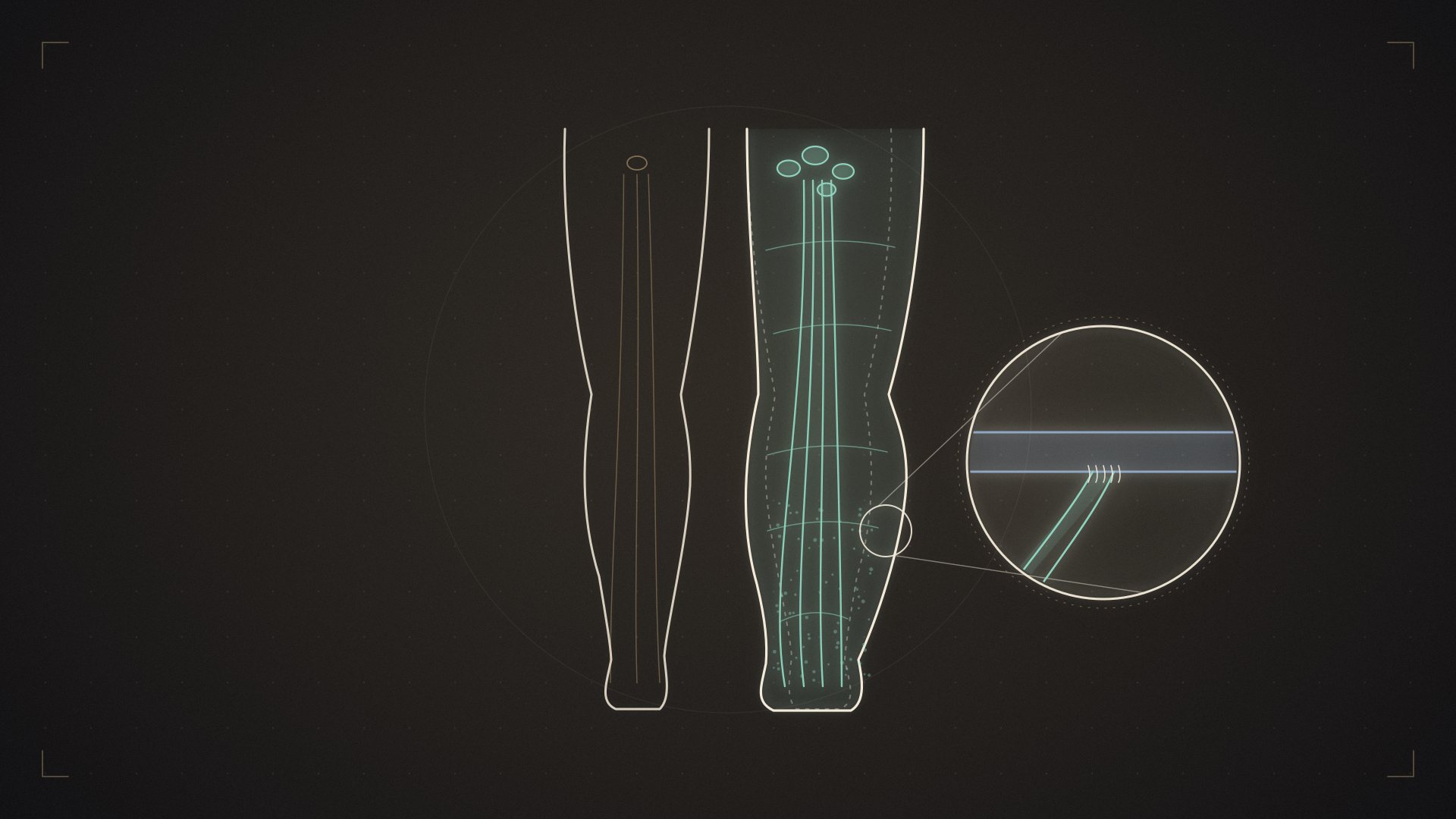
What is it? Blocked lymphatic vessels are connected by microsurgery to tiny veins right next to them. This allows lymph fluid to drain directly into the bloodstream instead of waiting for the blocked pathway — like opening a connection to a side street from a blocked road.
Technical difficulty: The lymphatic vessels connected are usually 0.3-0.8 millimeters in diameter. This is a scale below even standard microsurgery and requires the special training, special microscope and special suture material of what is called supermicrosurgery. The sutures used are finer than a hair.
Who is it suitable for? The best candidates are patients who still have functioning lymphatic vessels — that is, early-to-intermediate stage, fluid-predominant patients in whom ICG lymphography shows an open vessel pattern. At advanced stages, the vessels are blocked by fibrosis, so the effect of LVA decreases markedly. The likelihood of finding functioning lymphatic vessels is generally higher in lymphedema that began recently, is in the arm and developed after cancer.
How is it done? Usually under local anesthesia or light sedation, through several small 2-5 centimeter incisions on the limb. The length of the operation depends on the number of connections. If many are to be made, general anesthesia may be preferred. Discharge is usually the same day or the next day.
Advantages: Small incisions, low complication rate (reported at around 1%), quick recovery, no donor-site problems, can be repeated if needed.
Limitations: Low effect at advanced stages; it does not resolve fat and fibrosis accumulation.
7.2. Lymph node transfer (VLNT — vascularized lymph node transfer)
What is it? A group of lymph nodes taken from another part of the body together with their own vessels is transplanted to the area with lymphedema and connected by microsurgery to the vessels there.
How does it work? Two mechanisms are proposed: the transplanted nodes act like a “pump”, absorbing the surrounding fluid and transferring it into the bloodstream; they also stimulate the formation of new lymphatic vessels (lymphangiogenesis) over time. The effect usually appears slowly over months.
Donor sites:
| Donor site | Features |
|---|---|
| Groin (inguinal) | The classic option; careful planning is needed because of the risk of lymphedema at the donor site |
| Under the chin (submental) | Small and practical; the scar can be concealed |
| Above the collarbone (supraclavicular) | In the neck; the scar may be visible |
| Inside the abdomen — omentum / gastroepiploic | Can be harvested laparoscopically; no risk of lymphedema at the donor site — a major advantage; carries the risks of abdominal surgery |
Choice of recipient site: The transfer can be made either to the area where the swelling is most severe (wrist, ankle) or to the original area where the lymph nodes were removed (armpit, groin). With the second approach, the radiotherapy-related scar tissue in the armpit is also cleared.
Combining with breast reconstruction: In patients who need both breast reconstruction and lymphedema treatment after breast cancer, abdominal tissue (DIEP flap) and groin lymph nodes can be transferred together in a single operation. Because it solves two problems in one session, this approach is becoming increasingly common.
The most important risk — donor-site lymphedema. Development of lymphedema in the area from which the lymph nodes were taken is the most feared complication of this operation. To reduce the risk, reverse lymphatic mapping is used: the nodes that drain the limb are marked and preserved, and only those belonging to the trunk are taken. This technique has markedly reduced the risk, but not eliminated it. An intra-abdominal (omental) donor site removes this risk entirely.
Other risks: VLNT is a bigger operation than LVA; the reported overall complication rate is around 13% (hematoma, vascular blockage, flap loss, need for re-operation).
7.3. Scar release and soft-tissue repair
Hard, depressed scar tissue formed after trauma or cancer surgery can press on the lymphatic channels, disrupt lymph flow and cause lymphedema. In suitable patients, releasing or removing the scar, injecting fat into the area, or completing missing and damaged tissue with well-vascularized soft tissue can reduce swelling markedly. Free tissue transfers that do not contain lymph nodes can also be used for this purpose.
Interventions performed especially in the early period after trauma or surgery, before chronic hardening and permanent lymphatic damage have fully set in, may be more effective. For this reason, it is important that patients with scar-related compression are assessed for this within the first year if possible.
7.4. Liposuction (fat removal / debulking)
What is it? The removal of fat tissue that has accumulated in the limb, using a special technique. Although technically very similar to cosmetic liposuction, there are some differences: it is performed very extensively, through many small holes along the limb, under a tourniquet and with special cannulas.
Why is it needed? Because in advanced lymphedema, most of the excess is no longer fluid but real fat tissue. Neither compression nor physiological operations can remove this fat. That is why LVA or VLNT alone leads to disappointment in advanced-stage patients.
Who is it suitable for? Advanced-stage patients with non-pitting (that is, not fluid-predominant), fat- and fibrosis-predominant disease.
Results: It provides a marked and rapid reduction in volume; in selected patients, near-equalization with the other limb has been reported. Its effect is seen immediately after surgery — unlike physiological operations, there is no need to wait months. It has also been shown to reduce the frequency of cellulitis.
A non-negotiable condition: Liposuction treats the consequence of lymphedema, not its cause. Lymphatic drainage is still impaired. That is why uninterrupted use of compression garments after surgery is mandatory — in most protocols, for life. In a patient who does not adhere to compression, the volume returns. A patient who does not accept this condition is not a candidate for this operation. To prevent this, it can be combined with physiological operations.
A note on the evidence: The effect of liposuction on volume reduction has been shown consistently, but some studies have reported an increase in the feeling of stiffness and tightness in the early period.
7.5. Excisional operations (the Charles procedure and its variants)
The Charles procedure: Wide removal of the skin and subcutaneous tissue, followed by closure with a skin graft. It is reserved for very advanced, elephantiasis-level cases in which the skin is also markedly damaged. It is effective but has a high complication rate, a long hospital stay, may require blood transfusion and gives a poor aesthetic result; today it is rarely performed, only when no other option remains.
Other excisional methods: Combined with liposuction, an attempt can be made to reduce volume with skin excisions such as a thigh lift or arm lift.
7.6. The combined approach
The modern trend is to see the methods not as alternatives to each other but as complementary.
A typical combination: first the fat load is reduced with liposuction, then (or in the same session) lymphatic drainage is improved with LVA or VLNT. The logic of this approach is clear — one removes the existing load, the other tries to prevent it from building up again. There are studies reporting permanent normalization of volume in selected patients.
7.7. Preventive surgery: LYMPHA / Immediate lymphatic reconstruction (ILR)
This is the most exciting and most controversial topic in the field.
The idea: Instead of waiting for lymphedema to develop, the cut lymphatic vessels are connected to a nearby vein during the very operation in which the lymph nodes are removed. In other words, the bridge is built the moment the damage occurs.
For whom? Patients who will undergo axillary dissection, especially those who will receive radiotherapy and have a high body mass index — that is, the risk group.
Results — and why caution is needed:
-
A 2022 meta-analysis reported a lymphedema rate of 6.7% in the ILR group and 34% in the group without it
-
A 2025 meta-analysis found a 69% reduction in the risk of secondary lymphedema across 17 comparative studies
-
However, a 2024 study found no significant difference between groups with and without ILR (31.1% vs. 33.3%)
-
The follow-up in most studies is under 24 months; this may underestimate the true lymphedema rates
-
One study raised a question mark regarding oncological safety
An honest summary: ILR is a promising approach that is becoming increasingly common, but data on its definite benefit and long-term safety have not yet matured. If you are going to have breast cancer surgery, this option is worth asking your surgeon about — but it should not be presented as “certain protection”. As of 2026, when this article was written, it is not routinely performed in Türkiye.
7.8. Axillary reverse mapping (ARM)
This is an attempt to mark and preserve the lymph nodes belonging to the arm during breast cancer surgery. In a meta-analysis covering five randomized trials, the lymphedema rate was 4.8% in the ARM group and 18.8% in the standard dissection group.
However, there is a serious caveat: current marking technology may not be able to distinguish with certainty between the lymphatic pathways of the breast and those of the arm. The risk of leaving tumor in a preserved node is the main obstacle to the wider adoption of this method. Routine use is not recommended until oncological safety is clarified.
8. Which operation for which patient?
The table below is a simplified version of the decision logic used in clinics. The final decision is made with examination and imaging. However, the common treatment at every stage is complex decongestive therapy, and it should be given to patients at every stage.
| Your situation | Leading option |
|---|---|
| Stage 0-1, functioning lymphatic vessels on ICG | LVA |
| Stage 2, fluid-predominant, partial response to CDT | LVA, VLNT in selected cases |
| Stage 2-3, fat-predominant, non-pitting | Liposuction |
| Advanced stage, both fat and drainage problems | Combined (liposuction + LVA/VLNT) |
| Frequent cellulitis episodes, goal of immune support | VLNT is more effective, although all treatment options reduce cellulitis episodes |
| Dense radiotherapy scarring in the armpit | VLNT (together with scar clearance) |
| Lymphedema after an accident-related scar | Scar release (with a free or local tissue transfer, fat grafting, etc.) |
| Breast reconstruction is also needed | DIEP + groin lymph node transfer (single session) |
| Very advanced elephantiasis | Excisional methods (last resort) |
| Axillary dissection is planned, no lymphedema yet | Assessment for LYMPHA / ILR |
9. Results: In numbers, and honestly
This is the section missing from most promotional articles — and that is exactly why it is worth reading.
9.1. Reported results
A 2025 systematic review and meta-analysis covering 52 studies and 1,920 limbs:
-
Overall clinical improvement: 36.5%
-
LVA in the upper limb: about 29% improvement
-
VLNT in the upper limb: about 42% improvement
A 2021 VLNT meta-analysis covering 31 studies and 581 patients:
-
Reduction in circumference above the elbow: 42.7%
-
Reduction in circumference below the elbow: 34.1%
-
About two fewer cellulitis episodes per year
A 2024 randomized controlled trial (92 patients, LVA):
-
Significant improvement in physical and mental functioning
-
Proportion of patients able to stop wearing compression garments completely: 17% at 3 months, 21.3% at 6 months
Liposuction: In selected, fat-predominant patients, a marked — in some series near-complete — reduction in volume; but on condition that compression is continued without interruption.
9.2. How should these numbers be read?
The positive side: The reduction in volume is real, cellulitis episodes decrease markedly, quality-of-life scores improve consistently and a group of patients is freed from compression completely.
The side to be careful about:
-
A 30-40% improvement does not mean “the arm is back to normal”. It means a significant part of the excess has been reduced
-
The proportion of patients freed from compression completely is a minority — most continue with compression, but usually with a reduction in the number of hours needed per day
-
Results depend heavily on patient selection; the same operation may be ineffective when performed on the wrong patient
-
Most studies are observational, with short follow-up and non-standardized measurement methods
-
There is still a great deal we do not know about lymphedema. There is a group of patients in whom the benefit remains limited despite all treatment methods.
9.3. An honest note on the level of evidence
The position of international bodies can be summarized as follows:
-
The American plastic surgery community (2021): There is evidence that LVA and VLNT reduce severity; however, there is no consensus on which method is more effective, and none is a cure
-
NICE (UK, 2024): LVA should only be performed with special arrangements for clinical governance, consent and audit
-
International Society of Lymphology (2023): Surgical methods should be applied in addition to CDT, or when CDT has clearly failed, in carefully selected patients
-
Cochrane review (2019): There is not enough high-quality evidence to support the widespread adoption of these techniques
-
For this reason, some private insurers still classify these procedures as “unproven”
What does this mean? It does not mean the methods do not work — it is clear that they work in the right patients at experienced centers. What it means is this: the field is still maturing, standards are not settled and the choice of surgeon is the biggest variable determining the result.
10. Risks and complications
LVA: Generally considered low-risk; the complication rate is low (around 1%). Possible problems: incision healing problems, temporary leakage, infection. Apart from complications, the most common problem is that the connection closes over time and the expected benefit does not materialize.
VLNT: A bigger operation; the reported overall complication rate is about 13%. Possible problems: hematoma, vascular blockage (venous congestion, thrombosis), flap loss, re-operation, wound-healing problems and development of lymphedema at the donor site. There are options that carry no risk of donor-site lymphedema.
Liposuction: Blood loss, temporary changes in sensation, skin irregularities, skin laxity, increased feeling of stiffness and tightness in the early period. Return of volume if compression is not adhered to.
The Charles procedure: The group with the highest complication rate; skin graft problems, wound-healing problems, nerve damage, poor aesthetic result.
Liposuction and lifting operations: The complication rate is markedly lower than with the Charles procedure. However, there is a long scar, and recovery takes longer than for patients who have only liposuction or LVA.
Common risks: General anesthesia risks, infection, deep vein thrombosis, failure to achieve the expected benefit.
Expectation risk. Perhaps the most common “complication”: a patient who expects a “cure” from surgery is disappointed even with an objectively successful result. That is why goals need to be discussed in numbers in the preoperative consultation.
11. After surgery: The real process
Timeline
| Period | What to expect |
|---|---|
| First week | Incision care, elevation of the arm/leg, gentle movement. After LVA, discharge is usually the same day or the next day |
| Weeks 2-6 | Return to compression (according to the protocol set by the surgeon), physiotherapy continues |
| Month 3 | First objective measurement; with LVA, the effect begins to appear |
| Months 6-12 | The main effect of lymph node transfer appears in this period; settling of the lymph nodes and formation of new vessels take time |
| Months 12-24 | Assessment of the final result; planning of additional procedures if needed |
The difference with liposuction: The effect is seen immediately, but the compression protocol is much stricter in the early period.
The truth about compression
This is the topic patients are most curious about and the one most distorted in promotional material, so let us be clear:
-
Most patients continue to wear compression garments after surgery. But often a thinner, more comfortable garment, for fewer hours
-
A minority are freed from compression completely. In a randomized trial this proportion was about 21% at 6 months
-
After liposuction, compression is usually uninterrupted and lifelong — this is a precondition of the operation, not a surprise
The promise “after surgery you will stop wearing a sleeve completely” is not true for most patients.
Physiotherapy
Surgery does not replace physiotherapy. On the contrary: working with a lymphedema physiotherapist in the postoperative period directly affects the result. Manual lymphatic drainage, compression management, an exercise program and skin care continue.
Preventing cellulitis episodes
One of the most consistent benefits of surgery is a reduction in infection episodes. Even so, prevention continues: keeping the skin moisturized, avoiding scratches and cuts, being careful when cutting nails, treating fungal infections, watching out for cat scratches and insect bites. If fever and redness begin, see a doctor without waiting.
12. How to choose a doctor who performs lymphedema surgery
In this field, the choice of center and surgeon is more decisive than the technique chosen. The reason is clear: supermicrosurgery requires working with vessels 0.3 millimeters in diameter, has a long learning curve, and the skill fades when it is not practiced regularly.
Which specialty?
Lymphedema surgery is performed mainly by specialists in plastic, reconstructive and aesthetic surgery who have received training in microsurgery and supermicrosurgery. In some centers it is done together with general surgery or gynecologic oncology teams.
But what is really decisive is that it is a team, not a single doctor. A good lymphedema team brings together: a surgeon who performs supermicrosurgery, a physiotherapist certified in lymphedema, access to ICG lymphography, measurement and supply of compression garments, communication with oncology and radiology support.
A lymphedema surgery center without physiotherapist referral is an incomplete center.
Does every lymphedema surgeon perform all operations?
Lymphedema operations include technically very different methods. Lymphaticovenous anastomosis (LVA) requires special equipment that allows work on very fine lymphatic vessels and supermicrosurgical experience. Lymph node transfer, in addition to advanced microsurgical skill, requires more niche planning and practical experience specific to lymphedema surgery. Because liposuction does not require vascular repair, it belongs to a different technical group and can be performed by more surgeons; however, liposuction for lymphedema and postoperative compression management also require experience of their own.
For this reason, some surgeons or teams may focus more on physiological methods such as LVA in early-stage patients, while others may focus on lymph node transfer, liposuction or combined treatments at advanced stages. Patients should ask the surgeon they see which lymphedema operations they perform regularly and on what criteria they choose the method they recommend. The treatment decision should be made not according to the method the surgeon can perform, but according to the stage of the disease, the remaining lymphatic function and the hardening and fat deposition that have developed in the tissue.
Questions to ask at the consultation
-
What is your experience with lymphedema surgery? How is it distributed (LVA, VLNT, liposuction)?
-
Where did you receive your supermicrosurgery training?
-
What stage do I have, and how much of the excess is fluid and how much is fat?
-
Do you perform ICG lymphography? Can we review my results together?
-
Why are you recommending this method? Why are the other methods not suitable for me?
-
How much volume reduction do you expect on average in patients with my profile?
-
Will I continue to wear compression garments after surgery? For how long?
-
What is the risk of lymphedema at the donor site, and what do you do to reduce it? (For VLNT)
-
Do you work with a lymphedema physiotherapist? Who will manage the postoperative program?
-
Can I see the before-and-after measurement data of your own patients?
-
How will the process work if a complication develops?
-
Is this procedure covered by my insurance? If not, what is the total cost?
Warning signs
-
Approaches that guarantee the result or use promises such as “definitive solution” or “get rid of lymphedema”
-
Surgery being recommended directly without ICG or similar imaging
-
A method being chosen without any discussion of stage and tissue composition
-
No mention at all of CDT and physiotherapy
-
The same operation being recommended to every patient
-
The topic of compression garments being glossed over, or being told “you won’t need to wear them any more”
-
Only filtered social media images, no measurement data
-
Being rushed at the consultation, pressure of a “special price for today”
-
Never meeting the surgeon before the operation
Second opinion
Lymphedema surgery is not emergency surgery. You have time to decide. Getting a second opinion from a different center is an entirely reasonable step, especially if the methods proposed differ.
More: Assoc. Prof. Ahmet Hamdi Sakarya: lymphedema surgery and microsurgery training (surgeon’s profile)
13. My personal approach to lymphedema treatment
In my practice, especially for patients with advanced lymphedema, I mostly prefer vascularized lymph node transfer taken from the neck for physiological reconstruction. The neck is an important option because it contains an adequate number of lymph nodes, and the risk of donor-site lymphedema is very low or absent compared with donor sites directly linked to limb drainage, such as the armpit or groin. In some patients with marked soft-tissue excess in the neck, it can also contribute to the neck contour, with an effect similar to a neck lift. In patients with a slim neck or a neck anatomy unsuitable for this procedure, I can consider intra-abdominal lymph node options.
Because a significant proportion of the patients who come to me are at an advanced stage, with an increase not only in fluid but also in fat and hardened tissue in the limb, I often complement lymph node transfer with liposuction. Although it is possible to perform both procedures in the same session, in most patients I prefer to perform the lymph node transfer first, evaluate the result, and then reduce the remaining volume with liposuction in a separate session.
LVA — that is, creating a bypass between lymphatic vessels and veins — is not suitable for every patient. I use this method in selected patients who still have functioning lymphatic channels. I personalize the treatment plan not only according to the stage of the disease but also according to the proportion of fluid and fat, previous operations, scar tissue, history of infection and the patient’s expectations. Lymph node transfer requires experience in head and neck anatomy and head and neck microsurgery as well as general microsurgery. Beyond my general microsurgery training, I gained my training in this specialized area by working with Prof. Ming-Huei Cheng, one of the pioneers of lymphedema microsurgery, at Chang Gung Memorial Hospital and performing operations together with him.
14. Cost and reimbursement
The price varies widely depending on the center, the method used, the length of the operation and additional procedures. Rather than giving a specific figure, it is more useful to know which items to look at when evaluating a quote:
-
The method to be used and its extent (the number of connections in LVA, the donor site for VLNT, the extent of liposuction)
-
Length of the operation and type of anesthesia
-
Operating room and hospital stay fees
-
ICG lymphography and other imaging
-
Postoperative compression garments (custom-made garments are renewed regularly — an ongoing cost)
-
Physiotherapy sessions
-
Scope of check-ups and follow-up
Reimbursement status: Lymphedema surgery is reconstructive, not aesthetic surgery. However, many insurers worldwide still classify these procedures as “unproven” on grounds of the level of evidence and may exclude them from coverage. In Türkiye, coverage varies with the type of procedure and the institution. Get written information from both the center and your insurer before surgery.
There is one more item not to forget: compression garments and physiotherapy are regular expenses that continue after surgery. These additional expenses will also continue if you choose not to have surgery. Include them when calculating the total cost.
15. Daily life and prevention
Skin care. Moisturize every day. Protect against scratches, cuts and burns. Wear gloves for gardening, washing up and oven work. Do not cut the cuticles when cutting your nails. Do not neglect fungal infections (especially between the toes).
Protecting the limb. If possible, do not have blood pressure measured, blood drawn or an IV line placed on the affected arm. Avoid tight jewelry, watches and tight clothing. (Note: some of these recommendations are traditional practices and may not be strictly supported by current research; follow your own doctor’s advice.)
Exercise. Do not avoid it — regular exercise under compression is beneficial. Walking, swimming and resistance exercises can be increased gradually. Avoid sudden and excessive strain.
Weight. Body mass index directly affects the risk of developing lymphedema, its severity and the surgical result. Weight management is part of treatment.
Heat. Prolonged hot baths, saunas and Turkish baths can increase swelling.
Air travel. Wear compression garments on long flights.
The psychological burden. Lymphedema is experienced as a constantly visible reminder of cancer treatment. Body image, restrictions on clothing and the feeling that “this will never end” are common and directly affect adherence to treatment. Getting support is part of the process. Patient associations and support groups make a tangible difference in managing expectations.
16. Common misconceptions
“There is no treatment for lymphedema.” Wrong. There is treatment: it is brought under control with CDT and, in suitable patients, markedly reduced with surgery. “No cure” and “no treatment” are different things.
“You’ll get rid of lymphedema with one operation.” Wrong. The average reduction in circumference is in the range of 30-45%; patients freed from compression completely are a minority.
“If I have surgery, I won’t need physiotherapy any more.” Wrong. Physiotherapy continues after surgery and determines the result. Surgery increases the effectiveness of physiotherapy.
“I’ll take diuretics because of the swelling.” Wrong, and potentially harmful. Diuretics are ineffective in lymphedema; they draw out fluid but leave the protein in the tissue and can make the condition worse. Swelling due to heart or kidney disease is different — the doctor makes the distinction.
“I should never use the arm with lymphedema.” Wrong. Inactivity reduces lymph flow. Regular exercise under compression is recommended.
“Firm massage helps.” Wrong. The manual lymphatic drainage used in lymphedema uses very light pressure; firm massage can cause harm.
“I should wait for an advanced stage before having surgery.” Usually wrong. The chances of LVA performed at an early stage, while the lymphatic vessels are still open, are markedly higher than after fibrosis has developed.
“Lymphedema only comes from cancer.” Wrong. There are congenital forms and forms caused by infection, trauma and obesity.
17. Frequently asked questions
Is lymphedema surgery painful?
LVA is usually performed through small incisions, and the pain is mild. VLNT is a bigger operation; the pain lasts a few days. After liposuction there is tightness and tenderness for a few weeks.
How many hours does the operation take?
LVA varies with the number of connections; VLNT usually takes longer (because of the microsurgical connections). Combined operations take even longer.
How long will I stay in hospital?
After LVA, discharge is usually possible the same day or the next day. After VLNT, a stay of a few days is needed for flap monitoring.
When will the result be seen?
With liposuction, immediately. With LVA, within weeks to months. With VLNT, the main effect appears within 6-12 months — it requires patience.
What if both of my arms/legs are affected?
The operations are usually staged, applied to one side first.
My cancer treatment is ongoing — can I have surgery?
Usually not. Lymphedema surgery is postponed during active oncological treatment; the decision is made jointly with your oncologist.
Will lymphedema come back after surgery?
Lymphedema is a chronic condition; surgery makes it controllable, it does not eliminate it. Adherence to compression and physiotherapy directly determines how long the result lasts.
Does being overweight prevent surgery?
Severe obesity has a negative effect on both risk and outcome. Most surgeons ask for weight management before surgery.
I smoke — is that a problem?
Yes, it is a serious problem. In microsurgery it increases the risk of vascular blockage and threatens flap success. You will be asked to quit.
Will lymphedema develop where the lymph nodes were taken?
This is the most important risk of VLNT. The risk is markedly reduced with reverse lymphatic mapping; when the submental (under the chin and neck) or intra-abdominal (omental) area is used as the donor site, this risk does not exist.
What happens if I don’t have surgery?
Lymphedema is a progressive disease. In patients whose condition is well controlled with CDT, progression slows. In patients whose condition cannot be controlled, the fluid → fat → fibrosis path progresses, and over time the options for physiological surgery close.
Should I have surgery at an early stage?
The chances of LVA are higher at an early stage. But this does not mean everyone should have surgery at an early stage — the decision is made according to the response to CDT and imaging.
Is lymphedema surgery performed in children?
It can be performed in selected cases of primary lymphedema; it requires an experienced team.
Summary: 10 things to remember
-
Lymphedema is a progressive disease: first fluid, then fat, then fibrosis. These three stages determine the choice of operation.
-
Complex decongestive therapy (CDT) always comes first. Surgery comes into play not instead of it, but alongside it or after it.
-
A decision to operate made without ICG lymphography is incomplete — only imaging shows whether there are functioning lymphatic vessels.
-
LVA for fluid-predominant disease, liposuction for fat-predominant disease. A wrong match makes even a well-performed operation ineffective.
-
The most important risk of lymph node transfer (VLNT) is lymphedema at the donor site — ask about reverse lymphatic mapping.
-
A realistic result: An average 30-45% reduction in circumference, fewer cellulitis episodes and a marked improvement in quality of life.
-
Most patients continue to use compression after surgery. Those freed from it completely are a minority (about 20%).
-
After liposuction, compression is usually lifelong — this is a precondition of the operation.
-
The choice of center and surgeon is more decisive than the choice of technique. A center without a physiotherapist is an incomplete center.
-
Stay away from approaches that promise a “definitive solution”. No method in this field is a cure — but in a well-selected patient, life really does change.
For a personal assessment of your situation, you can request an evaluation appointment; to learn about the surgeon’s training and experience, you can review the surgeon’s profile.
This content has been prepared for general information purposes and does not replace examination, diagnosis or treatment by a physician. Every surgical procedure carries risks; which method is right for you can only be decided together with a specialist team after examination, measurement and imaging.
Assoc. Prof. Ahmet Hamdi Sakarya, MD, MSc
Specialist in Plastic, Reconstructive and Aesthetic Surgery
Assoc. Prof. Ahmet Hamdi Sakarya completed a two-year fellowship in reconstructive microsurgery and peripheral nerve surgery at Chang Gung Memorial Hospital in Taiwan, one of the world’s leading high-volume microsurgery centers. His clinical practice focuses on facial paralysis and facial reanimation, brachial plexus and other peripheral nerve injuries, functional muscle transfers, free tissue transfers and facial aesthetic surgery.


