

Replacing a lost finger with a toe, building a thumb from a toe — who is it for, what are the results, and how is the foot affected?
Introduction: Why does the thumb matter so much?
There is a sentence often repeated in hand surgery: the thumb is half the hand.
It is no exaggeration. Because the thumb can move across to face the other four fingers, it makes grasping possible. Without it, a hand can only hook objects — it cannot hold, turn or do fine work. Holding a pen, doing up a button, turning a key, using a phone, lifting a glass: all of these depend on the thumb’s opposition movement. In functional assessments, the thumb is considered to account for roughly 40–50% of hand function.
For someone who loses a thumb in a workplace accident, while working with a saw or a press, in a road accident or in an explosion, the loss is not merely cosmetic — it is devastating for work and daily life.
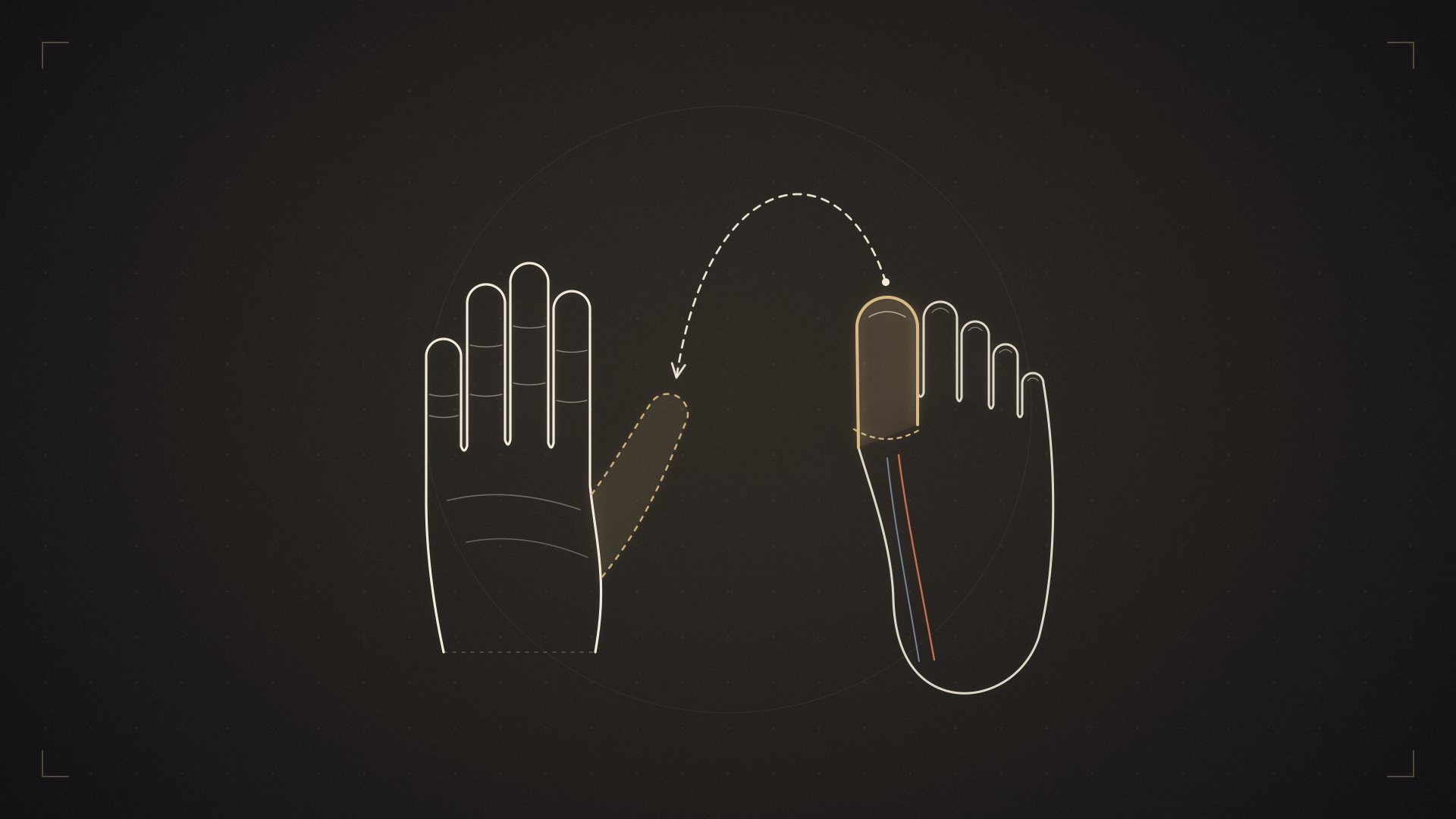
This is where toe transfer — in medical terms, toe-to-hand transfer — comes in: a toe is taken from the foot together with its own blood vessels and nerves, transferred to the hand and put in place of the lost finger.
It is one of the most impressive applications of microsurgery, and its success rates are high: a large review reported an average tissue survival rate above 90%. But not every patient is a candidate, the results require the right expectations, and the mark left on the foot is real.
This guide explains everything you need to know as a patient or family member: from what to do if a finger has just been severed, to which toe is chosen and why, to the real outcome rates and how the foot is affected.
Important note: This content is for general information and does not replace examination, diagnosis or treatment by a physician. Which method suits you can only be determined after examination, imaging and assessment by a team experienced in hand surgery.
1. Emergency information first: if a finger has just been severed
This section is for readers who may have reached this page in an emergency.
1.1. First steps
For the injured person:
-
Stop the bleeding with a clean cloth by applying direct pressure. A tourniquet is usually unnecessary and can cause harm if applied incorrectly
-
Keep the arm raised above heart level
-
Go to the nearest centre able to perform hand surgery/replantation — not every hospital can replant a finger; if possible, call the emergency number (112 in Turkey and Europe) and ask to be directed to the right centre
-
Do not give the injured person anything to eat or drink (emergency surgery may be needed)
For the severed finger — correct storage is critical:
-
Rinse the finger gently with clean water (do not rub or scrub it)
-
Wrap it in moist, clean gauze
-
Place it in a waterproof bag and seal it
-
Put the bag into iced water — do not let it touch the ice directly
-
Burying the finger directly in ice, using dry ice or dropping it into water damages the tissue irreversibly
Why does time matter? Tissues without muscle, such as a finger, last longer when cooled; even so, hours count. Do not forget to bring the finger — bring it even if it looks crushed or in pieces; the decision is the surgeon’s.
1.2. Replantation or toe transfer?
This distinction causes confusion, so let us make it clear:
-
Replantation: reattaching your own severed finger. If the finger is available and in suitable condition, it is always the first option.
-
Toe transfer (toe-to-hand): considered when the severed finger has been lost, crushed, cannot be reattached, or when replantation has failed. A toe taken from the foot is put in place of the missing finger.
In other words, toe transfer is not an alternative to replantation; it is the solution for situations where replantation is not possible.
Note: The transfer itself is usually performed as a planned operation, weeks or months after the original injury.
2. What is toe-to-hand transfer?
Definition: a toe is taken from the foot as a single unit, with its artery, veins, nerves, tendons, bone and skin, and moved to the hand; its vessels are sutured to the vessels of the hand under the microscope, and bone, tendon and nerve connections are established.
This is not “fitting a prosthesis”. The transferred toe is living tissue: it has a blood supply, it grows, its nail grows, it sweats, it warms up and — most importantly — it feels and moves.
The steps of the operation in brief:
-
Two teams work at the same time: one prepares the hand, the other raises the toe from the foot
-
In the hand, the recipient vessels, nerves, tendons and bone surface are prepared
-
The toe is raised from the foot together with its vascular pedicle
-
The toe is moved to the hand; first the bone is fixed (with wires, screws or a plate)
-
The tendons are joined (flexor and extensor tendons)
-
Under the microscope, the artery, veins and nerves are sutured
-
The skin is closed; the defect on the foot is repaired
-
The blood supply of the transferred toe is closely monitored
The operation usually takes 6–10 hours and requires an experienced microsurgical team.
3. Who is it for? Indications
3.1. Thumb loss — the clearest indication
This is the strongest and most widely accepted use of toe transfer. Transfer comes to the fore especially when the loss is at the level of the metacarpophalangeal joint (the joint where the thumb meets the palm) or higher.
Why? Because shortening of the thumb can be tolerated up to a point; beyond a certain level, however, opposition and grasp are lost entirely.
The general approach depends on the level:
| Level of loss | Typical approach |
|---|---|
| Fingertip, nail level | Reconstruction is usually not needed; wound care or a small flap |
| Around the end joint | Simple repair if the length is sufficient; a partial toe or nail transfer may be considered for appearance |
| Mid-level (shorter than the MP joint) | The most ideal level for toe transfer, giving the best results. Other options such as lengthening (distraction) or osteoplastic repair may exist, but their aesthetic and functional results are not as good. |
| At the MP joint or shorter | Toe transfer clearly comes to the fore. If the remaining bone is shorter, multiple transfers and staged reconstruction may be needed. |
| Loss of the whole thumb + palm | Complex reconstruction; multiple transfers may be needed |
3.2. Multiple finger loss and the “metacarpal hand”
When more than one finger has been lost through crushing in a press or machine and only the palm of the hand remains, the condition is called a metacarpal hand. These patients cannot hold or grasp — the hand becomes functionally unusable.
In this group, the goal is not to restore every finger. The goal is to create a pair of digits that oppose each other, such as a thumb and a finger facing it. Once grasp between two points is achieved, the hand becomes functional again.
For this reason, more than one toe is usually transferred in these patients, either in the same session or in separate sessions.
3.3. Congenital absence of fingers (in children)
In congenital conditions such as symbrachydactyly, the fingers may never have developed or may have remained very short. In these children, toe-to-hand transfer can be used to provide holding and grasping function. Details in Section 12.
3.4. After failed replantation
If a reattached finger does not survive, a toe transfer can be planned as a second stage. In this case, tissue preparation and the condition of the vessels may be more challenging; it requires an experienced centre.
3.5. Who is not a suitable candidate?
-
Patients whose blood vessels are unsuitable (advanced vascular disease, severe diabetic vascular involvement)
-
Active smokers who do not agree to quit
-
Those with serious circulation problems, neuropathy or wound-healing problems in the foot
-
A general state of health that cannot withstand a long operation
-
Heavily scarred hands whose tissue and recipient vessels are unsuitable (preparatory operations may be needed). Electrical burns can also fall into this group
-
Patients unable to comply with rehabilitation
-
Patients with unrealistic expectations
4. Which toe is used?
This is the most frequently asked — and most misunderstood — aspect of the operation. There are four main options, and each strikes a different balance.
4.1. Great toe (big toe) transfer
Advantage: the size closest to the thumb, the strongest grip, width, appearance
Disadvantage: appearance can be both an advantage and a disadvantage. In patients with a very wide big toe, the width of the new digit may draw attention. Another disadvantage is that the big toe is the centre of the push-off movement in walking. When the big toe is taken with both of its joints, the balance of the foot and the distribution of pressure change. Most patients tolerate this in daily life, but it is felt more clearly by athletes and people who walk a lot. For this reason, in transfers that take only one joint of the big toe, no loss affecting daily life is expected apart from running uphill.
4.2. The “trimmed” great toe
The big toe is taken, but its bone and soft tissue are slimmed to the size of a thumb. This preserves the strength and appearance of a thumb while avoiding transferring a disproportionately large digit to the hand.
Since the big toe is still lost entirely, the advantage for the donor foot is limited, but it gives one of the best aesthetic and functional results in the hand.
4.3. The “wrap-around” technique
The skin and soft-tissue envelope of the big toe, together with its nail, is taken; the bone is left in the foot (or partly taken). In the hand, this tissue is wrapped around a bone graft to create a new thumb.
Advantage: the aesthetic result is very good — the nail, skin colour and tissue fullness look natural. Because the bony skeleton of the toe is preserved, the donor foot is less affected.
Disadvantage: the transferred structure has no joint. It is therefore preferred for superficial finger losses in which the bones are preserved, or for short thumb losses in which the thumb’s joints are preserved. Otherwise, having no joint, it does not move.
4.4. Second toe transfer
The second toe of the foot is taken together with its joints.
Advantage: it is the option that causes the fewest problems for the donor foot — because the big toe is preserved, walking mechanics are largely unaffected. Having joints, it moves. In multiple finger loss, more than one toe can be taken. The appearance of the foot is also largely preserved: with the big toe in place, the missing toe is not conspicuous and flip-flops can still be worn. For patients whose other fingers are slender, its slimness can be an aesthetic advantage.
Disadvantage: it is thinner and shorter than a thumb; its slimness may be noticeable. Grip strength may be somewhat lower than with a big toe transfer.
Third toe transfer: for thumb reconstruction, variants of the big toe come to the fore; for reconstruction of the other fingers and for multiple losses, the second (and when needed the third) toe. Sometimes the second and third toes can be taken together.
4.5. Comparison
| Technique | Result in the hand | Donor foot | Movement |
|---|---|---|---|
| Great toe | Strongest, fullest | Most affected; more limited if the second joint is preserved | Yes |
| Trimmed great toe | Matching size and appearance | Affected | Yes |
| Wrap-around | Best aesthetics | Less affected | No |
| Second toe | Slimmer appearance | Least affected | Yes |
| Second and third toes | Used in multiple-digit transfer | Appearance strongly affected | Yes |
Key finding: in a systematic review of 25 studies and 450 transfers, no statistically significant difference was found between these four techniques in tissue survival, range of motion, grip strength, pinch strength or sensation (two-point discrimination). In other words, there is no “best technique”; there is the technique best suited to the patient. The choice depends on the level of loss, the patient’s occupation, their priority (strength, appearance or the foot) and the surgeon’s experience.
5. Alternative methods
Toe transfer is not the only option. A good consultation puts the alternatives on the table as well.
Distraction osteogenesis (bone lengthening). The bone of the remaining thumb stump is cut and slowly lengthened with a special device by less than a millimetre a day; new bone forms in the gap. The operation is small and the foot is not sacrificed. But the length gained is limited, it takes a long time (months), and it provides neither sensation nor a nail.
Osteoplastic reconstruction. A thumb is built with a bone graft and a skin flap. Movement and sensation are limited.
Pollicisation (turning the index finger into a thumb). The index finger is rotated with its vessels and nerves into the thumb position. It can be the first choice especially in children and in congenital conditions where the thumb never developed. It is rarely preferred in adult trauma patients.
Prosthesis. For patients who do not want surgery, are unsuitable for it or want additional support after a transfer. There are appearance-focused aesthetic prostheses and function-focused options. They do not provide sensation. Function-focused options are limited, but very good aesthetic prostheses are available.
Doing nothing. This is a legitimate option. Some patients adapt with the hand they have and do not want a major operation. This choice should be respected.
6. Timing: when is it done?
Emergency (primary) transfer. A transfer performed immediately after the injury, during the first operation. It is used in selected cases, and its advantage is a single operation and a single recovery period. But it is not preferred if the wound is contaminated, tissue viability is uncertain or the patient’s condition is unsuitable. In addition, because patients have not gone through a period of detailed research and reflection, they may not be fully prepared for the consequences of the operation.
Delayed (secondary) transfer — more common. Performed once the wound has healed, the swelling has settled and the tissue boundaries have become clear. It is usually planned a few months after the injury. Because it is a planned operation, the surgical process is also better prepared for the team. Patients have a long time to think. And having lived with their missing fingers for a while, they become more aware of the loss of function. This has a positive effect on their motivation for surgery and on the success of physiotherapy afterwards.
Why wait?
-
For the wound to heal completely and the risk of infection to pass
-
For the swelling to settle and tissue planes to become clear
-
To allow the vessels to be mapped
-
For the patient to prepare psychologically and go through the decision process
-
For preparatory operations if needed (scar release, skin preparation)
Is there an upper limit? There is no strict limit. Transfers performed years later can also succeed; there are even publications reporting very long-term follow-up. But the longer the delay, the more scar tissue builds up in the hand, the stiffer the joints become and the weaker the brain’s map of that finger. That is why it is important to be assessed within a reasonable time. If the fingers and joints are not frozen and the patient is motivated, it can be done even many years later.
7. The surgical process
Preoperative preparation:
-
Detailed examination of the hand and foot, assessment of function and occupation
-
Vascular imaging — suitability of both the recipient vessels in the hand and the donor vessel in the foot (Doppler ultrasound, CT angiography)
-
X-rays to assess the bone structure
-
Stopping smoking — non-negotiable, since it directly increases the risk of vessel blockage in microsurgery
-
Blood tests and anaesthetic assessment
-
Clarifying expectations through photographs and discussion
Day of surgery: general anaesthesia. Two teams work in parallel. The operation usually takes 6–10 hours.
The first days after surgery — the most critical period:
-
The blood supply of the transferred toe is checked every hour (colour, temperature, capillary refill)
-
The room is kept warm and the arm is elevated
-
Smoking is strictly forbidden — it constricts the vessels
-
Blood-thinning protocols may be used
-
Vessel blockage is most common in the first 48–72 hours; if noticed early, it can be rescued with emergency surgery
-
The hospital stay is usually 5–10 days
8. Results: what can you really expect?
8.1. Tissue survival rate
In a systematic review covering 25 studies and 450 thumb transfers, the average was 96.4%. Close to 100% in some series. This shows that it is one of the most reliable applications of microsurgery.
8.2. Sensation
Sensation returns in the transferred toe — because the nerves are sutured and regrow over time. Reported two-point discrimination values are around 8 mm. If this is achieved, it is a very good result. (For comparison: in a normal fingertip this value is 3–6 mm.)
In practice, this means the patient feels touch with the digit, can tell hot from cold and senses when they are gripping an object — though fine touch discrimination may not be as sharp as in a normal finger. Even so, this is a fundamental gain that no prosthesis can provide, and it makes gripping safe.
Timing: sensation usually returns gradually over months; full maturation can take 1–2 years.
8.3. Movement and strength
The transferred toe moves, but its range of motion is smaller than that of a normal finger — because of tendon and joint matching. Grip and pinch strength increase markedly; compared with before surgery the gain is large, but it does not fully reach the values of the healthy hand.
The most important gain is not range of motion but opposition — that is, the thumb’s ability to meet the other fingers. Grasping requires this.
8.4. Appearance
The transferred toe has a nail and looks natural. But it does not look exactly like a finger: a toe may be somewhat fuller, its nail wider and shorter, and its length different. The wrap-around technique gives the best aesthetic result. Over time, and with additional refinement procedures, the appearance can be improved.
8.5. Satisfaction and return to work
In published series, patient satisfaction is consistently high. Most patients return to their daily activities, and many to their occupation. However, in professions requiring very fine manual skill (surgeon, jeweller, musician), a full return to previous performance may not always be possible.
8.6. Durability
The transferred toe is permanent. Publications reporting long-term follow-up show that function is preserved even decades later. In children, the transferred toe grows with the child.
8.7. Framing expectations — honestly
Realistic goals: grasp and opposition, the sense of touch, improved appearance of the hand, independence in daily life, return to work, less need to hide the hand.
Unrealistic goals: a hand identical to the one before the loss, a completely normal range of motion, completely normal sharpness of sensation, a process finished with a single operation (small refinement operations are often needed), a result without rehabilitation.
9. The donor foot: what really happens?
This is what patients worry about most, and it deserves an honest answer.
Will I be able to walk? Yes. Patients who have had a toe transfer walk, can run and wear normal shoes. Losing a toe is not losing a foot.
But does nothing change? No — some things can change:
When the big toe is taken with both joints: the push-off phase is affected. Pressure distribution under the sole changes, and balance differs somewhat. A difference may be felt in fast running, sudden changes of direction and long walks. Some patients need to adapt their choice of shoes. In the long term, calluses and, rarely, ulcers may develop because of the change in pressure; a protective insole helps.
When the big toe is taken with one joint: the push-off phase is largely preserved. Changes in pressure distribution and balance are minimal and largely unnoticed. A difference is felt when running uphill.
When the second toe is taken: the effect is markedly smaller. Because the big toe stays in place, walking mechanics are largely preserved. The most common complaint is the big toe drifting into the gap, and appearance/fit problems inside the shoe. Special closure techniques at the donor site are used to prevent this.
Appearance: the absence of a toe on the foot is permanent. Most patients do not mind this inside shoes; but it is visible barefoot (pool, beach, places of worship). This should be discussed before the decision. A foot missing its second toe draws markedly less attention and looks more aesthetic than a foot missing its big toe.
Approaches that reduce the risk: preferring the second toe, the wrap-around technique that preserves the bone of the big toe, careful closure of the donor site, additional procedures to correct toe position when needed, and postoperative insole and shoe adaptation. However, it may not be possible to use risk-reducing approaches in every patient.
10. Risks and complications
Vessel blockage and tissue loss. The most serious complication. It usually develops in the first 48–72 hours. If noticed early, the digit can be saved with emergency surgery; that is why close monitoring is essential. The overall loss rate is low (survival rate ~96%).
Non-union or delayed union of the bone. An additional procedure may be needed.
Tendon adhesions. They restrict movement; preventing them is one of the most important goals of rehabilitation. Some patients need a tendon release operation.
Inadequate return of sensation. Nerve recovery may remain weaker than expected.
Cold intolerance. Pain and colour change in the cold are common in the transferred toe and may last months to years. Patients should know this in advance.
Infection, wound-healing problems, haematoma.
In the donor foot: wound-healing problems, pain, calluses, shoe-fit problems and, rarely, permanent walking discomfort.
Need for further surgery. This is common and does not mean failure: tendon release, debulking, nail correction, bone correction, deepening of the web space. It is realistic to plan the process in stages.
11. Rehabilitation: the other half of the operation
If this part is skipped, even a technically perfect operation ends in disappointment.
Why does it matter so much? Because the transferred toe is a new organ for the brain. The brain has to learn to use it as a “finger”. At the same time, keeping tendons from sticking, joints from stiffening and sensation returning requires regular work.
The process, roughly:
| Period | Focus |
|---|---|
| Weeks 0–3 | Protection, swelling control, splint, close vascular monitoring |
| Weeks 3–6 | Controlled passive movement begins |
| Weeks 6–12 | Active movement, loading according to bone healing |
| Months 3–6 | Strengthening, grip training, integration into daily activities |
| Months 6–12 | Sensory re-education, fine-skill work, return-to-work programme |
| Months 12–24 | Maturation of the result; refinement operations if needed |
Sensory re-education is a particularly valuable part of the process: exercises in telling different textures apart with the eyes closed help the brain interpret the signals from the new digit correctly.
A hand therapist is essential. This process cannot be carried out without working with a therapist experienced in hand rehabilitation. Ask about this when choosing a centre.
12. Toe transfer in children
In children with congenital absence of fingers (symbrachydactyly and similar conditions), toe-to-hand transfer is used to provide grasping function.
What is different in children?
-
The transferred toe grows. It keeps pace with the child’s own development — a major advantage not seen in adult patients
-
Brain adaptation is better. A child’s brain incorporates the new digit into its body map much faster and more naturally
-
Rehabilitation happens through play — the child learns to use the digit spontaneously
-
Timing: the preschool period is usually preferred; it is an advantage to intervene before hand-use habits are established and social awareness develops. The exact age varies by centre and situation
Alternatives: if the thumb never developed, pollicisation may come to the fore. The decision is based on the existing structure of the hand.
A note to families: these decisions are emotionally heavy. The idea of taking a toe from a child’s foot is hard. Seeing the long-term results of similar cases from experienced surgeons helps make a sound decision. It is not a decision to rush.
13. Choosing the doctor and centre
Toe-to-hand transfer is an operation that cannot be performed in every hospital. What is needed:
-
Surgeon(s) experienced in microsurgery and hand surgery (microsurgery and hand surgery require different experience)
-
Staff able to work as two teams
-
24-hour microsurgical intervention capacity (for an emergency return to theatre in case of a vascular problem)
-
An experienced anaesthesia team
-
A therapist specialised in hand rehabilitation
-
A long-term follow-up structure
Questions to ask
-
What is your level of experience with toe-to-hand transfer?
-
Which technique do you recommend for me and why? Why are the other techniques unsuitable?
-
What are the alternatives — have lengthening, pollicisation and prosthesis been considered for me?
-
How much will I lose in my foot, and how will my walking be affected?
-
Will vascular imaging be performed?
-
What will be done if a vascular problem occurs in the first 72 hours after surgery? Does the centre have emergency intervention capacity?
-
How many stages should I expect? What is the likelihood of further surgery?
-
Who will run the rehabilitation? Is there a hand therapist at the centre?
-
What do you expect in terms of sensation and movement for someone with my profile?
-
Can I see the long-term results of your own patients?
-
When can I return to my job?
Warning signs
Approaches that guarantee the result, say “it will be just like before”, never discuss alternatives, gloss over the donor foot, do not mention rehabilitation, plan surgery without vascular imaging, or do not offer a chance to meet the surgeon before the operation.
14. Toe-to-hand transfer in Turkey and patients travelling from abroad
Turkey has a well-established tradition in microsurgery and hand surgery, with centres experienced in replantation and free tissue transfer. It is therefore a field that receives patients from abroad.
Points of special attention for patients travelling from abroad or from another city:
Length of stay. This is not a short cosmetic procedure. After surgery, vascular monitoring is critical in the first 72 hours, and emergency surgery may be needed if a complication develops. On top of that come suture removal, splint adjustment and the start of rehabilitation. A realistic length of stay is 3–4 weeks — be wary of approaches promising a one-week programme.
Flight plan. Buy a flexible return ticket. An early flight makes managing complications impossible.
Continuing rehabilitation. The most decisive part of the process continues after you return home. Clarify before surgery: will you be able to find a hand therapist in your own country, will the centre give you a written rehabilitation protocol, how will remote follow-up work?
Records and communication. Ask to be given the operation note, imaging, details of the implants used and the discharge summary in writing, in a language you understand. Your doctor at home will need this information in case of a complication.
Responsibility and follow-up. How will things work if a problem arises? If you need to come back, who will cover the cost? Clarify these in advance and in writing.
If you have an oncological or systemic condition, set up a coordination plan with your own doctors in advance.
15. Cost
The price varies widely depending on the centre, the technique, the number of toes transferred, the length of the operation and the length of the hospital stay. Rather than giving a figure, it is more useful to know which items to question when assessing a quote:
-
Surgery and microsurgical team fees
-
Anaesthesia and operating theatre
-
Length of hospital stay (5–10 days is typical)
-
Imaging (including vascular imaging)
-
Rehabilitation sessions — often a separate item, and long-lasting
-
Whether possible additional/refinement operations are included
-
The policy on additional costs in case of complications
Reimbursement: post-traumatic finger reconstruction is reconstructive, not cosmetic surgery. Coverage varies by insurer, indication and whether it was a workplace accident. Cases arising from workplace accidents may follow a separate process. Before surgery, obtain written information from both the centre and your insurer.
16. Frequently asked questions
Does the transferred toe have feeling?
Yes. The nerves are sutured and regrow over time. Sensation returns over months; two-point discrimination is reported at around 8 mm. Although not as sharp as a normal finger, it provides touch, hot-cold perception and awareness of grip.
Will my new digit move?
Yes, except with the wrap-around technique. The range of motion is smaller than normal but sufficient for grasping. With wrap-around, the digit does not move; it only provides opposition.
Does it grow a nail?
Yes, the nail of the transferred toe keeps growing and needs to be trimmed.
Will I be able to walk and run?
Yes. When the second toe is taken, the effect is minimal. When the big toe is taken, push-off and balance are somewhat affected; most patients adapt, but the difference may be more noticeable in athletes.
How many toes can be transferred?
More than one when needed. In multiple losses, two toes are usually transferred to create a grasping pair. As a rule, the aim is to take no more than one toe from each foot.
How many hours does the operation take?
Usually 6–10 hours; longer for multiple transfers.
How long will I stay in hospital?
Usually 5–10 days. Vascular monitoring is the main reason for this length of stay.
When can I return to work?
A few weeks for desk jobs; 3–6 months or longer for jobs that require using the hand. The exact time depends on the occupation and on recovery.
I smoke — is that a problem?
Yes, a serious one. Smoking constricts the vessels and directly increases the risk of vessel blockage in microsurgery. Most centres require patients to quit.
I have diabetes — can I have the operation?
Well-controlled diabetes is not an absolute obstacle, but the condition of the vessels and wound healing are assessed in detail.
I lost my finger years ago — is it too late?
Usually not. Transfers performed years later can also succeed. But as scar tissue and joint stiffness increase, the process becomes harder; get an assessment.
Is the appearance of the foot a concern for women?
This is a personal preference that should be discussed openly before the decision. The second toe is the option that leaves less of a mark on the appearance of the foot.
Is toe transfer the same as hand transplantation?
No. Hand transplantation is an organ transplant from another person (a donor) and requires lifelong immunosuppressive medication. Toe transfer moves tissue from your own body; it needs no such medication and there is no rejection.
Can I have an MRI scan after the operation?
It depends on the fixation material used; ask your surgeon and keep the implant information.
Summary: 10 things to remember
-
If a finger has been severed, replantation comes first. Wrap the finger in moist gauze, put it in a bag and place it in iced water; do not let it touch the ice directly.
-
Toe transfer is the solution when replantation is not possible — and it can be done months or even years later.
-
The strongest indication is thumb loss. The best results are in losses shorter than the MP joint.
-
The tissue survival rate is high: an average of 96.4% in a large review.
-
No difference in results has been shown between the four techniques — there is no “best technique”, only “the technique best suited to you”.
-
The second toe affects the donor foot the least; the big toe gives a stronger result in the hand but affects walking mechanics more.
-
Sensation returns (two-point discrimination ~8 mm), but not as sharply as in a normal finger.
-
The first 72 hours are critical for the vessels — this is the main factor determining the length of stay for patients travelling from abroad.
-
Rehabilitation is the other half of the operation. A centre without a hand therapist is an incomplete centre.
-
Additional refinement operations are normal, not a failure. Think of the process in stages.
For a personal assessment of your situation, you can request an evaluation appointment; for the physician’s training and experience, see the physician profile.
This content is for general information and does not replace examination, diagnosis or treatment by a physician. Every surgical procedure carries risks; which method suits you can only be decided after examination and imaging, together with an experienced hand surgery team.
Assoc. Prof. Ahmet Hamdi Sakarya, MD, MSc
Specialist in Plastic, Reconstructive and Aesthetic Surgery
Assoc. Prof. Ahmet Hamdi Sakarya completed a two-year fellowship in reconstructive microsurgery and peripheral nerve surgery at Chang Gung Memorial Hospital in Taiwan, one of the world’s leading high-volume microsurgery centers. His clinical practice focuses on facial paralysis and facial reanimation, brachial plexus and other peripheral nerve injuries, functional muscle transfers, free tissue transfers and facial aesthetic surgery.


